

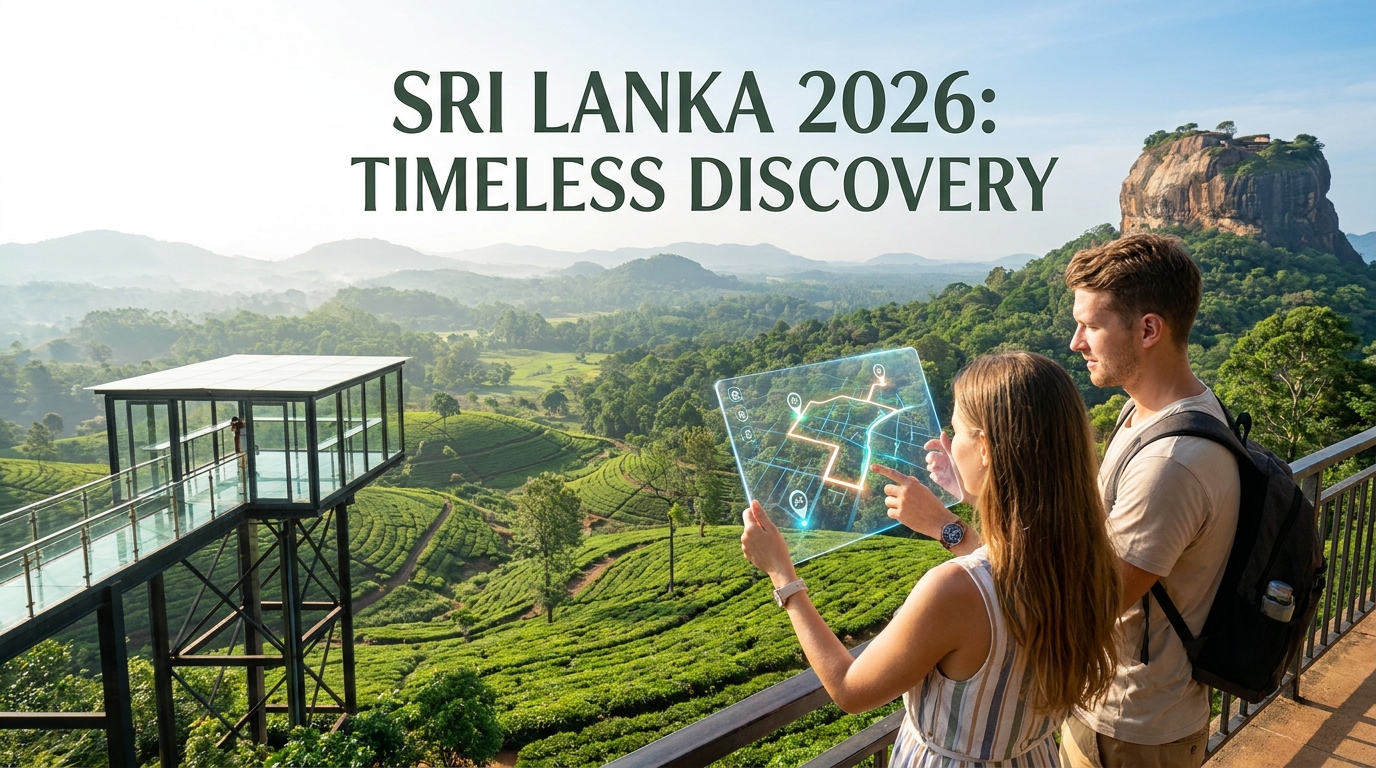
Sri Lanka has quietly stepped up its efforts to attract more international visitors, launching a Rs.1.5 billion (approximately US$4.5 million) overseas tourism campaign aimed at key global markets.

The initiative is not just another marketing push. It comes at a time when Sri Lanka is trying to stabilise its tourism recovery after a volatile 2026, where strong early growth was followed by noticeable monthly declines.
For expats, foreign property owners and investors, this matters because tourism is deeply connected to everyday life in Sri Lanka, from rental demand and restaurant activity to transport, employment and property values in key destinations.
How development is reshaping Sri Lanka’s property market
Sri Lanka recorded a record 2.36 million international arrivals in 2025, surpassing its pre pandemic peak. But 2026 has been less consistent, with official figures showing sharp month to month fluctuations.
The question now is not whether Sri Lanka can recover tourism but whether it can sustain and grow it.
And that has wider implications than most people realise.
The campaign focuses on six key source markets:
- India
- United Kingdom
- China
- Germany
- Russia
- Australia
These countries are not random selections. They represent Sri Lanka’s most important and diverse tourism pipelines.
India remains the largest source market, contributing over 531,000 visitors in 2025. The United Kingdom is a major long haul market, while Germany, Russia, China and Australia provide strong seasonal and high value travel segments.
Tourism remains one of Sri Lanka’s most important sources of foreign exchange, especially following the country’s recent economic crisis.
Every visitor brings spending power in dollars, euros, pounds or other foreign currencies, which flows into:
- Hotels and villas
- Restaurants and cafés
- Transport services
- Excursions and tours
- Retail and local businesses
According to Reuters, Sri Lanka earned around US$1.5 billion from tourism by mid 2026, with approximately 1.3 million arrivals in the first seven months.
However, the government has already revised its 2026 target down from 3 million to 2.7 million visitors due to earlier disruptions.
This explains the urgency behind the campaign.
Sri Lanka is no longer just trying to recover tourism. It is trying to make it more stable, more competitive and more economically significant.
What could this mean for property owners and investors?
This is where the campaign becomes especially relevant.
Tourism growth can increase demand for short term accommodation, but only in the right locations.
A key mistake many investors make is assuming that rising national arrivals automatically translate into higher rental income.
That is not how tourism markets work.
For example:
- A well located villa near a strong tourist hub may see higher occupancy and better rates
- A similar property in a low demand or poorly connected area may struggle, even during record tourism years
This is why micro location matters more than national statistics.
Investors should focus on:
- Occupancy rates in specific areas
- Seasonal demand patterns
- Average nightly rates
- Competition levels
- Access to airports, beaches and attractions
- Professional management availability
There is also a secondary effect to consider.
If tourism continues to grow in specific hotspots, land and property prices in those areas may rise, creating both opportunity and higher entry costs for future investors.
Sri Lanka wants to Welcome 5 Million Tourists a year by 2030