


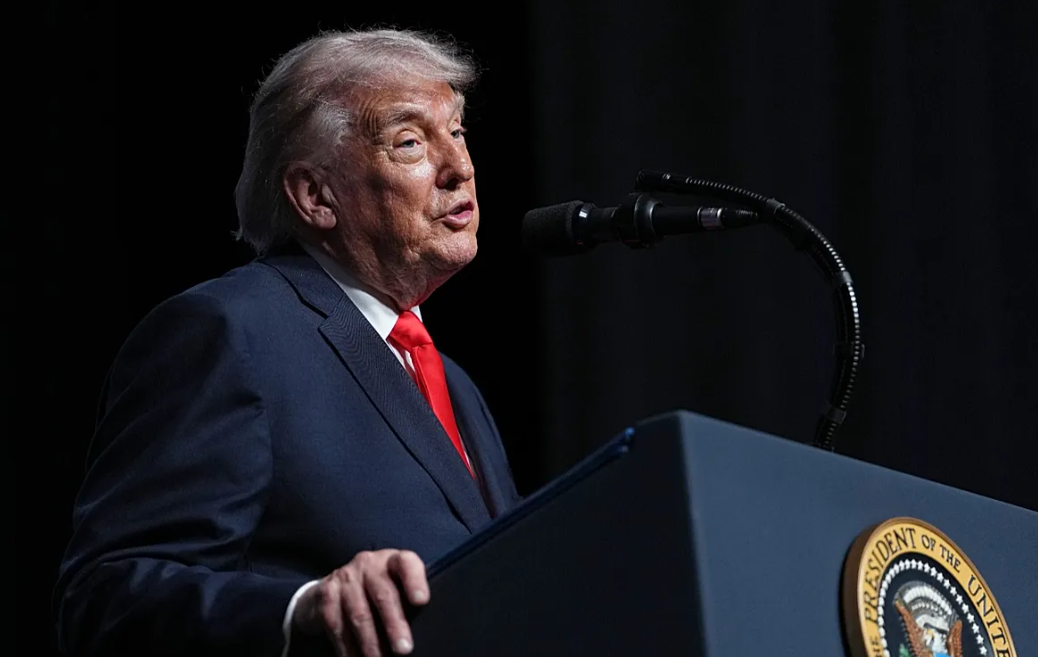

Trump sparks attention with remarks on US stance toward Cuba following Iran comments
Former US President Donald Trump has drawn widespread attention after making remarks suggesting that the United States could “take control” of Cuba in the future, following developments linked to Iran policy discussions.
Speaking at a public gathering in Florida, Trump made the comments in a casual and joking tone, suggesting that Cuba could be the next focus after ongoing geopolitical issues in the Middle East. Despite the light-hearted delivery, the statements quickly gained traction online due to their political sensitivity.
Trump references US military power in foreign policy remarks
During the same appearance, Trump also alluded to the strength of the US military, mentioning scenarios involving naval deployments and aircraft carrier positioning as demonstrations of American power on the global stage.
His comments were made alongside broader discussions on US foreign policy, particularly regarding tensions involving Iran and increased military activity in sensitive regions.
Increased US pressure on Cuba through sanctions
The remarks come amid continued US economic pressure on Cuba. Recent policy measures have expanded sanctions targeting several key sectors of the Cuban economy, including energy, finance, mining, and defence-related industries.
These restrictions are expected to further strain Cuba’s already struggling economy, which has faced long-standing challenges due to limited access to international markets and financial systems.
Cuba reacts to ongoing US sanctions
Authorities in Havana have previously criticised similar US actions, arguing that the sanctions are coercive and negatively impact the Cuban population. The Cuban government maintains that such measures violate international norms and national sovereignty.
Political remarks fuel debate amid global tensions
Although Trump’s comments were framed as informal and joking, they have attracted significant attention due to their timing and context within broader US foreign policy debates. The statements come at a period of heightened geopolitical sensitivity involving both Latin America and the Middle East.